Reimagining Mental Healthcare Registration at De Hoop
Reimagining Client Registration at De Hoop
Some projects stay with you.
Not because they were easy, but because they reminded you why you do this work in the first place and why I started Ideal Shift AI.
Our collaboration with De Hoop, a leading Christian mental healthcare provider in the Netherlands, was one of those projects.
Together, we set out to solve a problem that many healthcare organizations quietly struggle with:
A registration process that is more efficient, more insightful and minimizes manual work.
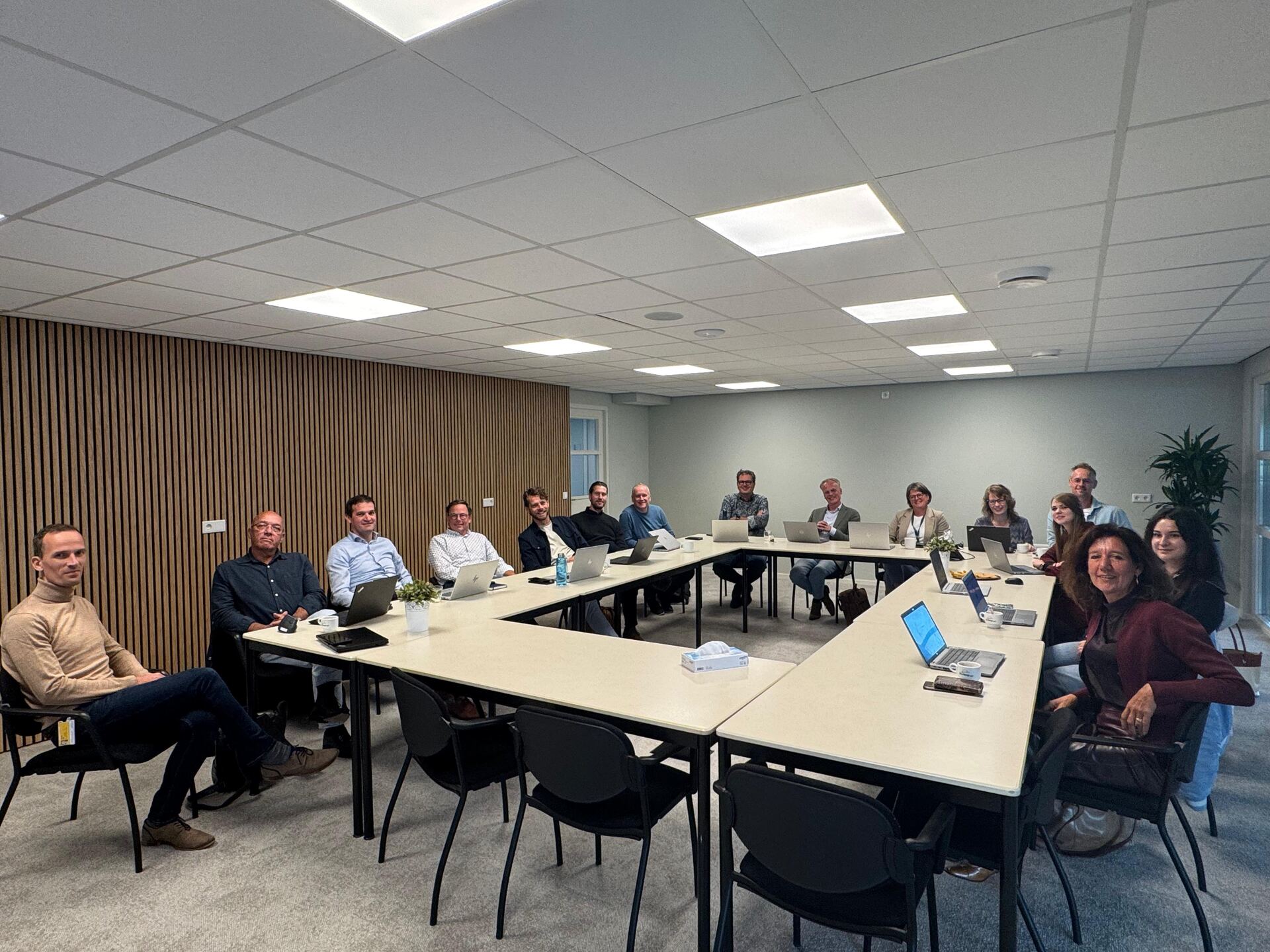
On October 2nd, 2025, we marked an important milestone: the demo of the first major phase of this journey. And we took the picture above! :) This was the culmination of an intensive, focused period of preparation, testing, collaboration and learning.
As we continue into the next phase, our focus remains on strengthening this foundation and learning from real-world use.
The Challenge: Less Administrative Work
Before this project began, De Hoop’s registration and screening teams were working within established processes that had evolved over many years.
These methods played an important role in supporting care delivery. They relied on dedication, experience and consistent effort from staff members who worked carefully to gather information, follow up with clients, and prepare cases for screening.
Their previous process included:
- Calling clients when information was missing; work that is reimbursed by health insurance
- Manually entering and verifying data
- Following up on forms and permissions
The system worked, but there was room for improvement.
Both De Hoop's and our team recognized that there was an opportunity to explore more structured, scalable ways of gathering and organizing information with methods that could better support future growth and evolving care demands.
Automating the Entire Registration Process with AI and Human-Centered Design
Instead of “digitizing paperwork,” we worked side by side with De Hoop’s teams to rethink the entire experience.
Not just:
“How can this more efficient?”
But:
“How can we improve the process so the team has complete and reliable information by the time a client is screened? So that clients are helped faster and better and so that this has a positive effect on the waiting list.”
The result: AI-powered, human-centered registration forms and fully automated registration processes designed to support people from their very first doctor’s referral letter, through smart and dynamic information gathering, to seamlessly delivering data and reports directly into their electronic patient records and to the fingertips of screeners. This approach is expected to save time and, more importantly, increase the value De Hoop aims to deliver to its clients.
How It Works: Smart Automation Meets Compassionate Care
Intelligent Client Engagement
Clients now automatically receive a secure link and gentle reminders. They complete forms on their own time; no pressure, no endless follow-ups.
Accessibility Built In
Not everyone is comfortable with long written forms. So we added voice-to-text. Clients can simply speak their answers. Barriers disappear.
Seamless System Integration
Once submitted, data flows directly into De Hoop’s Electronic Patient Record (EPD) system. No retyping. No human errors. No delays. Automatic checks of BSN match are done in the background.
Automatic Waiting lists
Waiting lists are automatically updated. No more copy-pasting. Data immediately available to the admin department and screeners.
Unified Across All Divisions
Adult Care, Child and Youth Care and Social Work follow the same ways of working established in this program, while maintaining flexibility for specific team needs.
The Expected Impact: Time Saved, Care Enhanced
AI Implementation is only meaningful when it improves lives. Here’s what we expect to change at go live:
- Faster screening decisions ✅
- Fewer phone calls and manual tasks ✅
- Higher-quality data ✅
- Less stress for staff ✅
- More time for real human connection ✅
- Better-prepared intakes ✅
The Expected Impact: Time Saved, Care Enhanced
But the biggest expected change?
People have more time to focus on people instead of systems.